

Thennie Freeman likes to explain the importance of youth development work with a simple question.
She’ll ask, “What’s your favorite teacher’s name?”
And as people recall the teacher who had or is having a lasting impact on them, their faces begin to light up. Freeman said the memory is not tied to anything extraordinary the teacher did, but merely how the teacher made students feel seen and listened to.
And that makes all the difference. That’s the impact of effective youth development professionals, Freeman said.
Adults who work with young people rarely see the long-term effects of their efforts, but that doesn’t mean they haven’t played a significant role in shaping the lives of their students.
“When you work with young people, you don’t know the influence you have on them,” Freeman said. “But even something you said eons ago, they’ll remember to this day.”
That lasting impact is what drove Freeman, who serves as director of the D.C. Department of Parks and Recreation, to help launch the Youth Development Professional Certification program.
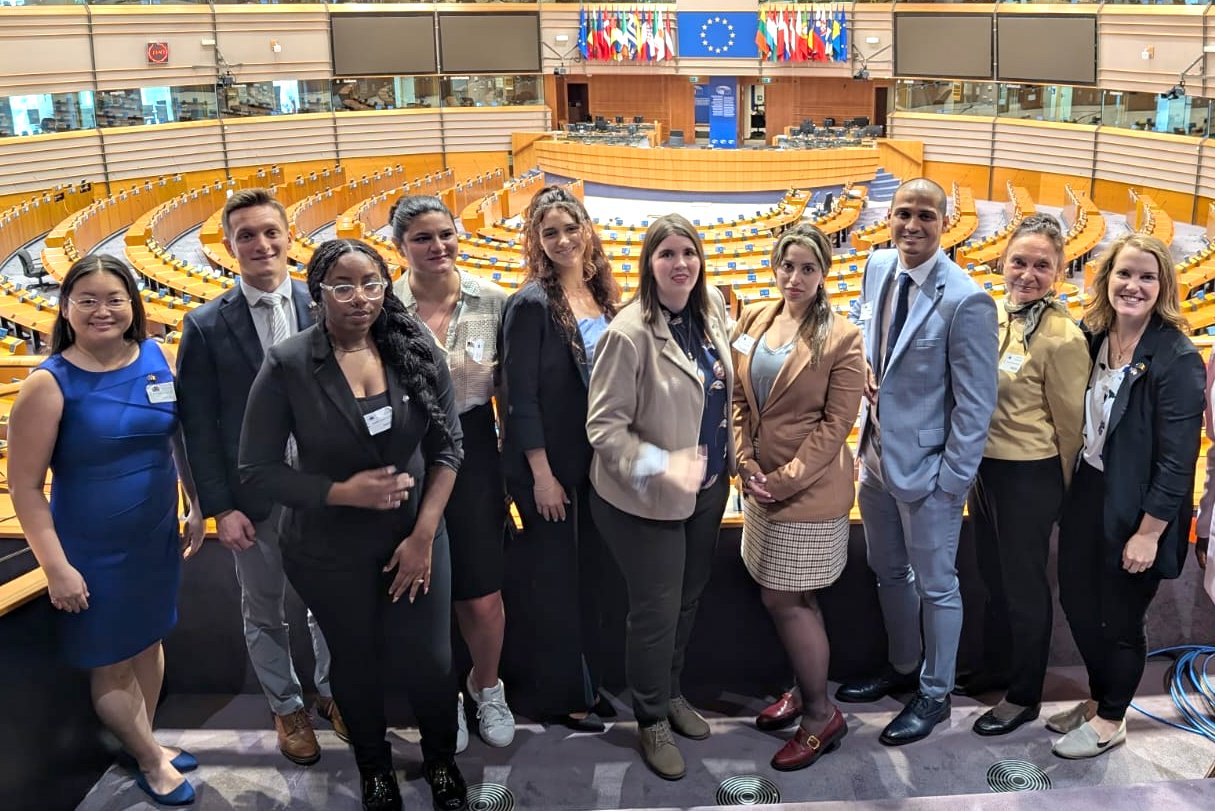
The initiative was created in partnership with the George Washington University Center for Excellence in Public Leadership (CEPL) to strengthen the youth development workforce across Washington, D.C.
The idea for the program was inspired by Freeman’s own early experiences in the field. Her first job out of college was as a residential adviser.
“My first day working with young people, I was given a set of keys to a door and didn’t know what to say or do,” Freeman said. “Not having anyone to call to ask, ‘What do I do?’ That’s my motivation, ensuring people don’t have to fail when working with young people.”
She said in many youth-serving professions, it’s common to be placed in the role without training or preparation on how to work effectively with young individuals. And because adults in these roles can play such an influential role in a child’s life, she said it’s important they receive proper training.
“People are given opportunities to work with youth, and we allow them to do so without requiring a professional certification,” Freeman said. “Oftentimes in spaces like recreation, we have a lot of employees, but I would say less than 10% actually have a degree or certification in the industry.”
The certification program was created with the intention of giving adults the skills to foster a safe and encouraging environment for children.
“Creating the youth development professional certification was a means to say, this is a professional industry,” Freeman said. “I want to make sure that when people come into this industry, they’re able to have a sustainable career.”
Her hope is that investing in adults who work with youth will strengthen the support and services available to young people. The certification also signals that youth development is a field that deserves training, standards and long-term career pathways.
Freeman said she chose to partner with GW because of her previous experience with CEPL programs. She is a graduate of three programs within the College of Professional Studies, including the Program for Excellence in Municipal Management, the D.C. Executive Leadership Program and the One Humanity Leadership Coaching Certification.
She said her time at GW helped shape how she approaches leadership and decision-making.
“I understood then that GW teaches you how to think differently,” Freeman said. “The ability to not give you an answer, but to show you how to arrive at one.”
Her years of commitment to youth development and community service has been widely recognized. Freeman is the recipient of the Cafritz Award, which recognizes exemplary service by D.C. government employees, and was recently awarded the FBI Washington Field Office’s Director’s Community Leadership Award.
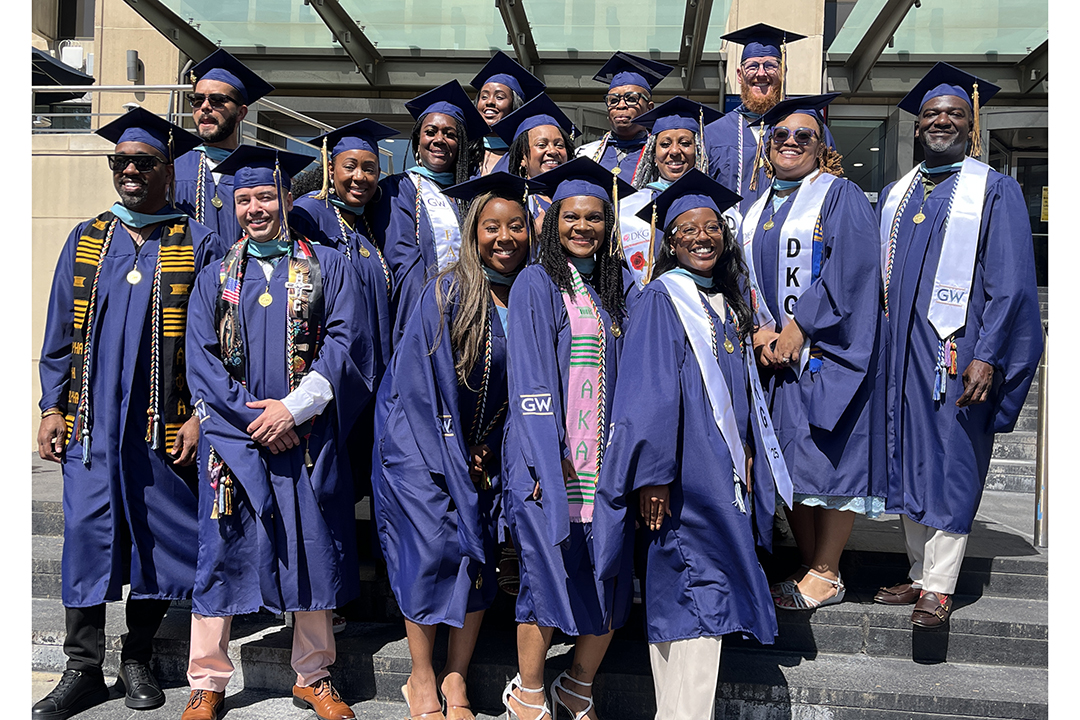
The inaugural cohort of the Youth Development Professional Certification program graduated in October, and Freeman is already excited by the results.
“We had 30 dedicated employees from across the spectrum,” Freeman said. “They all have a servant’s heart, and they’re really committed to youth development.”
Participants came from a wide range of career backgrounds and age groups, bringing different perspectives to the nine-month program. Along with building professional skills, Freeman said participants formed strong connections with one another that have continued beyond the program.
The curriculum combines in-person sessions with applied learning focused on both personal growth and youth outcomes. Freeman said it emphasizes skills such as de-escalation, active listening and discernment to know when to respond and when to just listen.
“When we developed the curriculum, we wanted to make sure that we could serve the individual and serve the young person on the other side,” Freeman said.
A central theme of the program is helping adults understand how their own experiences show up in their work. Over the nine months, Freeman said participants showed significant growth.
“The way that they connected was the thing that most impressed me,” Freeman said. “They practice. You have to do your self-work.”
The 2026 cohort is set to begin with orientation in February.
Looking ahead, Freeman said she hopes the program continues to grow and even expand beyond D.C.
“My hope is the program is here 25 years from now and that thousands can say, ‘I have a youth development professional certification,’ and that it exists in more than one university and in more than one city,” Freeman said.
She believes the program has something to offer anyone who wants a better understanding of how adult support can shape young lives.
“Everybody,” Freeman said. “I really mean it’s for everybody, because every adult who shows up for a young person has the potential to shape their future.”