
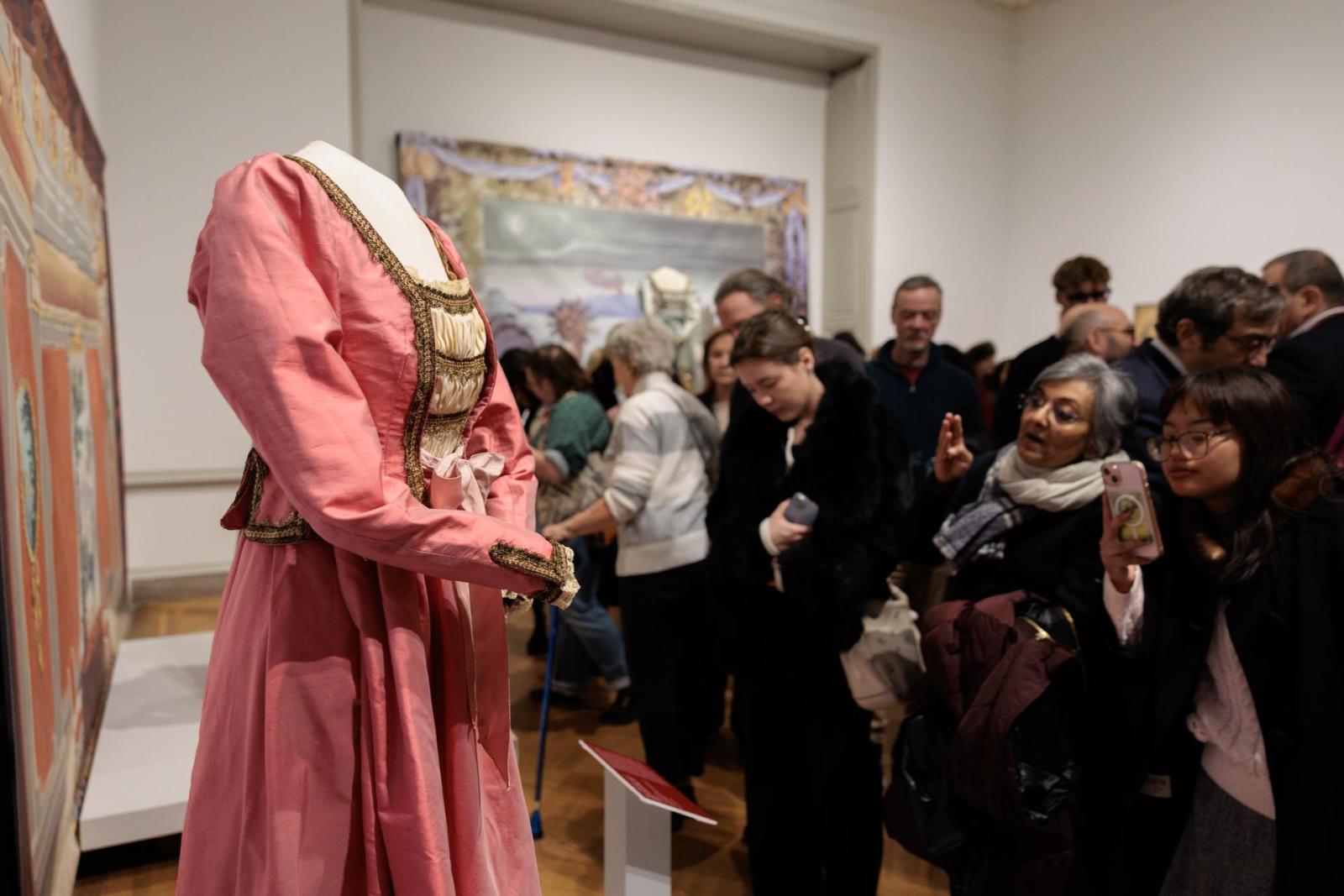
Six opera gowns worn by Maria Callas onstage at La Scala in Milan are on view in the Luther W. Brady Art Gallery exhibition “Callas at La Scala.” The Brady Art Gallery is in the Flagg Building of the Corcoran School of the Arts and Design, part of the Columbian College of Arts and Sciences.
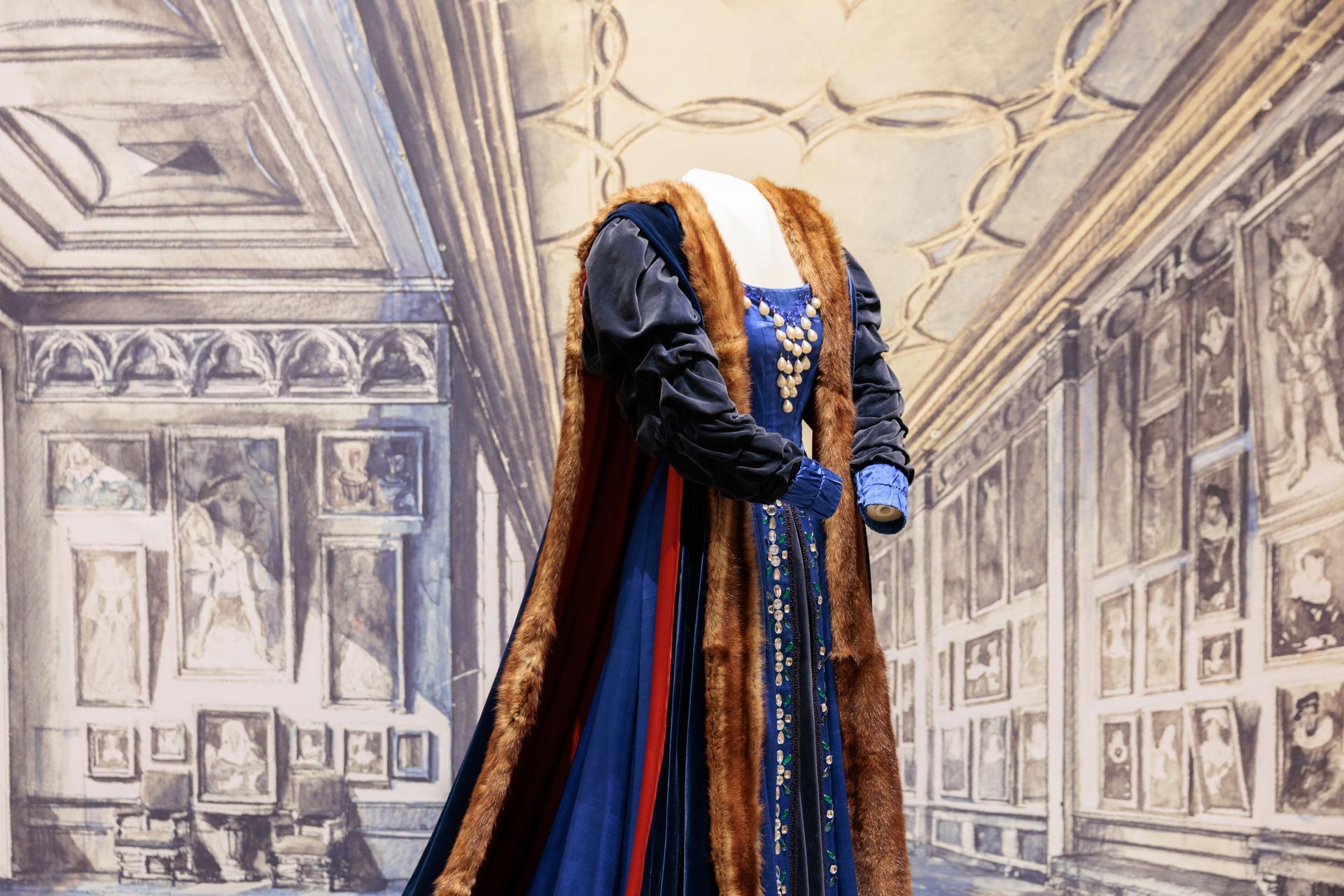
Known as “La Divina,” “the divine one,” Callas is widely considered the greatest operatic soprano of the 20th century. She was an American of Greek heritage who made many celebrated appearances at La Scala, Milan’s legendary opera house. The exhibit includes gowns Callas wore in the roles of Ifigenia (in Christoph Gluck’s “Ifigenia in Tauride”), Amina (in Vincenzo Bellini’s “La Sonnambula”), Anna (in Gaetano Donizetti’s “Anna Bolena”) and Fiorilla (in Gioachino Rossini’s “Il Turco in Italia”). “Il Turco in Italia” was directed by Franco Zeffirelli; the remaining three productions were directed by Luchino Visconti. The iconic costumes, in the United States for the first time, are displayed along with images of costume sketches by master designers Nicola Benois and Piero Tosi, as well as photographs of Callas.
When Olivia Kohler-Maga, who oversees the Brady Art Gallery, was asked by the Italian Cultural Institute (ICI) of Washington about the possibility of exhibiting the gowns at GW, she immediately saw the possibilities for involving students across disciplines at the Corcoran School. She contacted Tanya Wetenhall, assistant professor of design history in the Corcoran School’s Theatre and Dance program, who adjusted the syllabus for her Costume History class to give students the opportunity to work on researching, writing labels and installation. Two graduate students pursuing degrees in museum studies joined with several undergraduates to help with the exhibition.
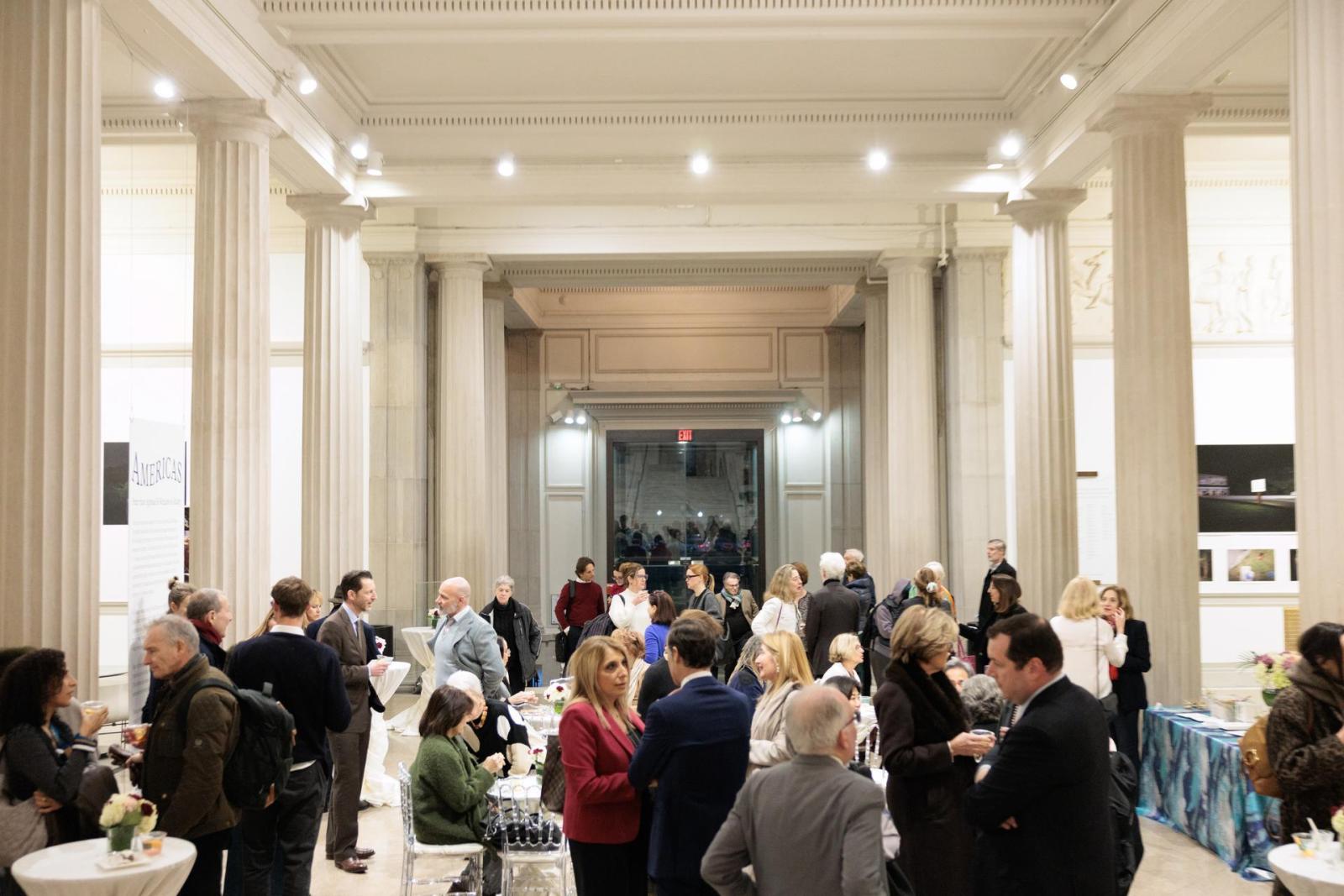
Ambassadors from Greece and Italy were among the speakers at the exhibit’s opening. Antonis Alexandridis, the Greek ambassador who had barely concluded his first week on the job, said that Callas’s Greek heritage remained a great source of pride throughout her life. When she died, he added, she asked that her ashes be spread in the Aegean Sea.
The ambassador of Italy, Marco Peronaci, remarked that Callas starred in operas directed by some of Italy’s greatest artists, including Visconti and Zeffirelli. The exhibit honors not only Callas, he said, but Italian opera and the talent it nurtures. He noted that opera singing is listed as an intangible cultural heritage of humanity by UNESCO, an educational agency of the United Nations.
Other key figures in bringing the exhibit to Washington were Elettra La Duca, director of the ICI; Connie Mourtoupalas, cultural attaché of the Embassy of Greece of Washington, D.C.; and Caterina d’Amico, director of the Museum of the Fondazione Franco Zeffirelli in Florence. With so much international involvement, the exhibit is an instance of soft diplomacy in action, involving professionals from many different disciplines.
“When we think of opera, we think of music and singing,” Wetenhall said, “but we forget all of these other elements that make an opera, such as costume, scenic design and publicity, lighting design, costume design and visual art. Our students are studying all of these different things, so this exhibit seemed like a perfect fit for us.”
Graduate student Laura Goalen-Anderson is in Wetenhall’s class. The two of them spent two days dressing the mannequins in the gowns.
“I’m interested in historic dress and costume, and I like textiles,” Goalen-Anderson said. “That’s what I’m hoping to get involved in, working in a textile collection.”
The selection of gowns in the show illustrates Callas’s range, Wetenhall said. She thrilled audiences in both tragic and comic roles, playing characters from queen to peasant. Callas was an innovative performer credited with bringing more stage business to opera performance.
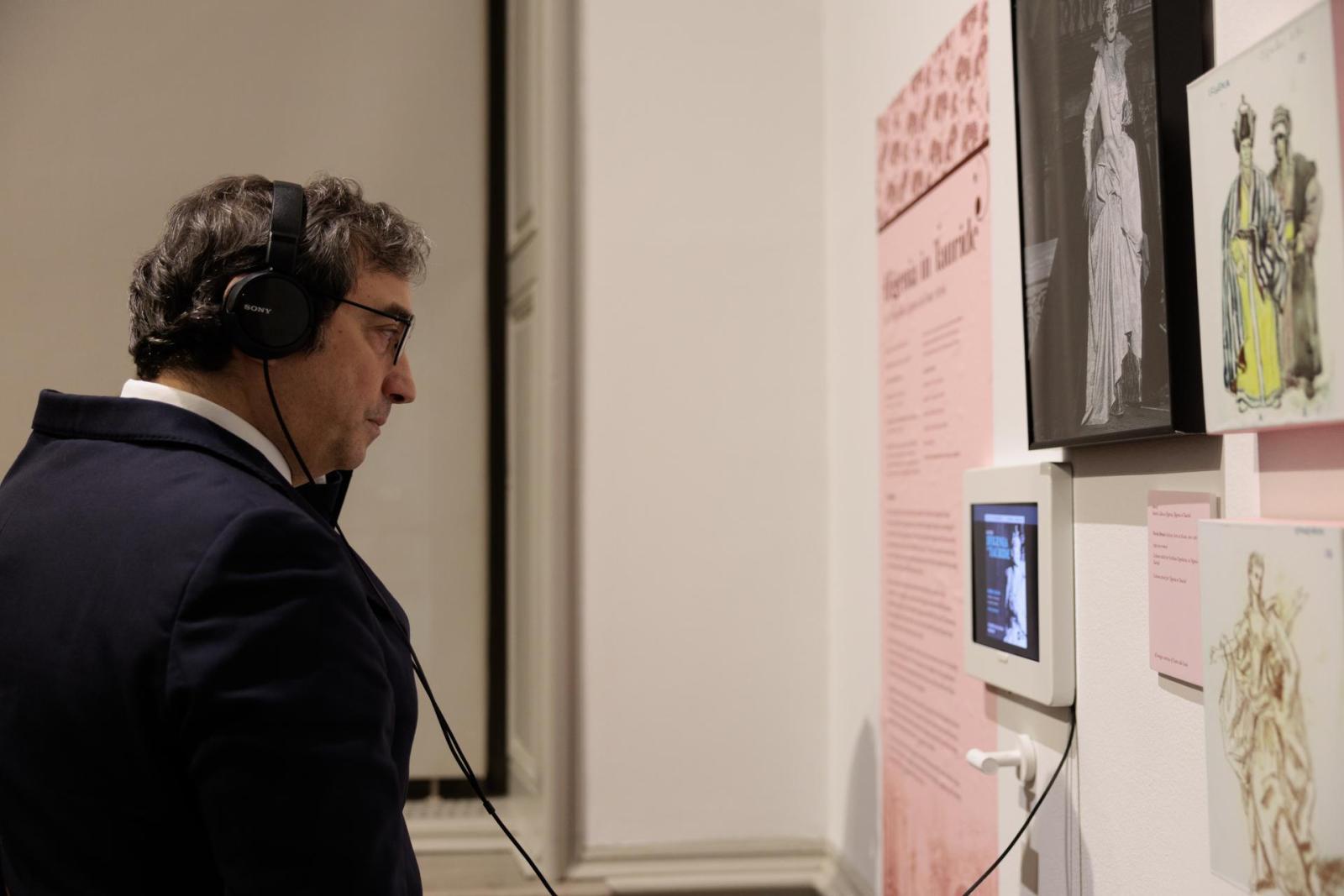
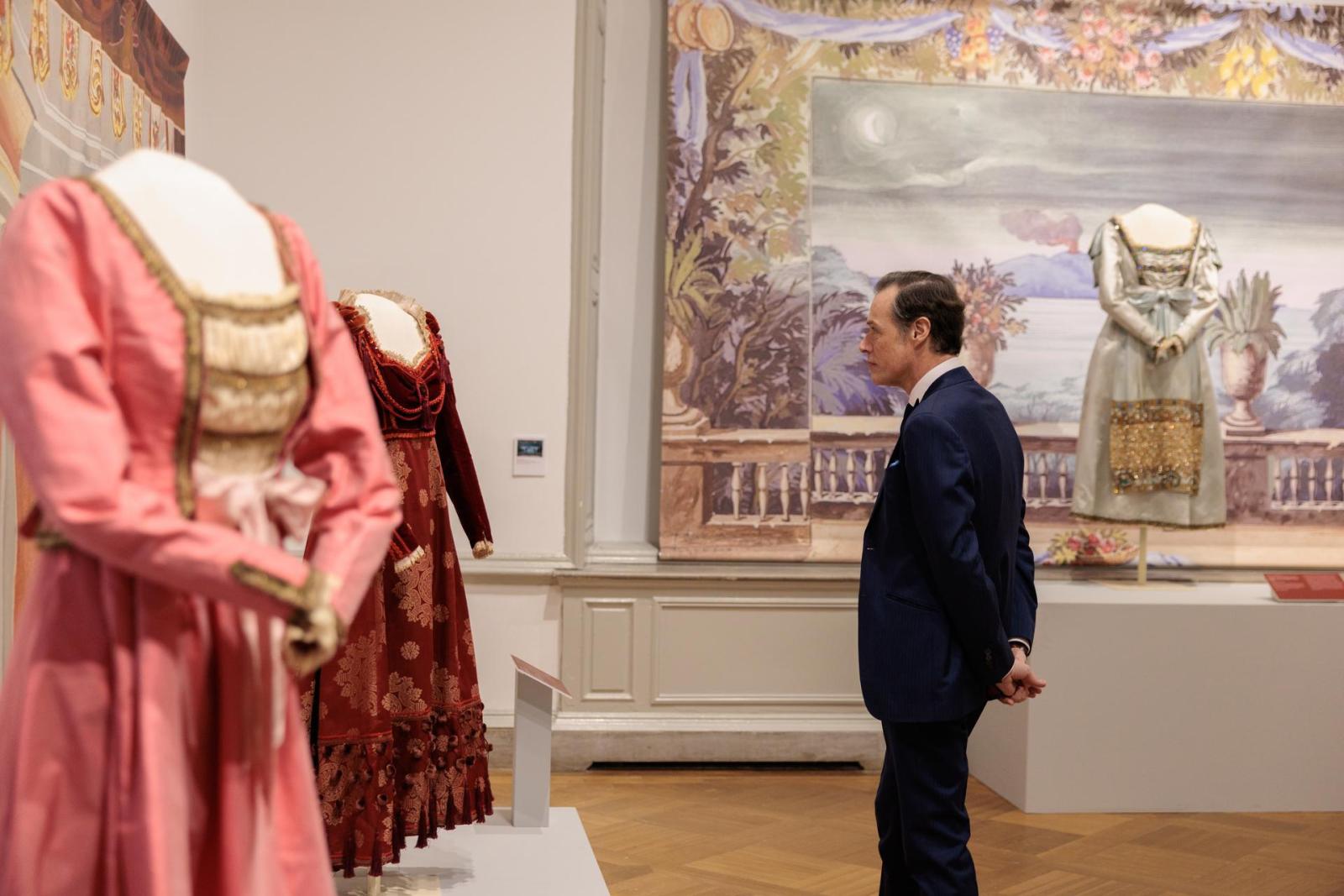
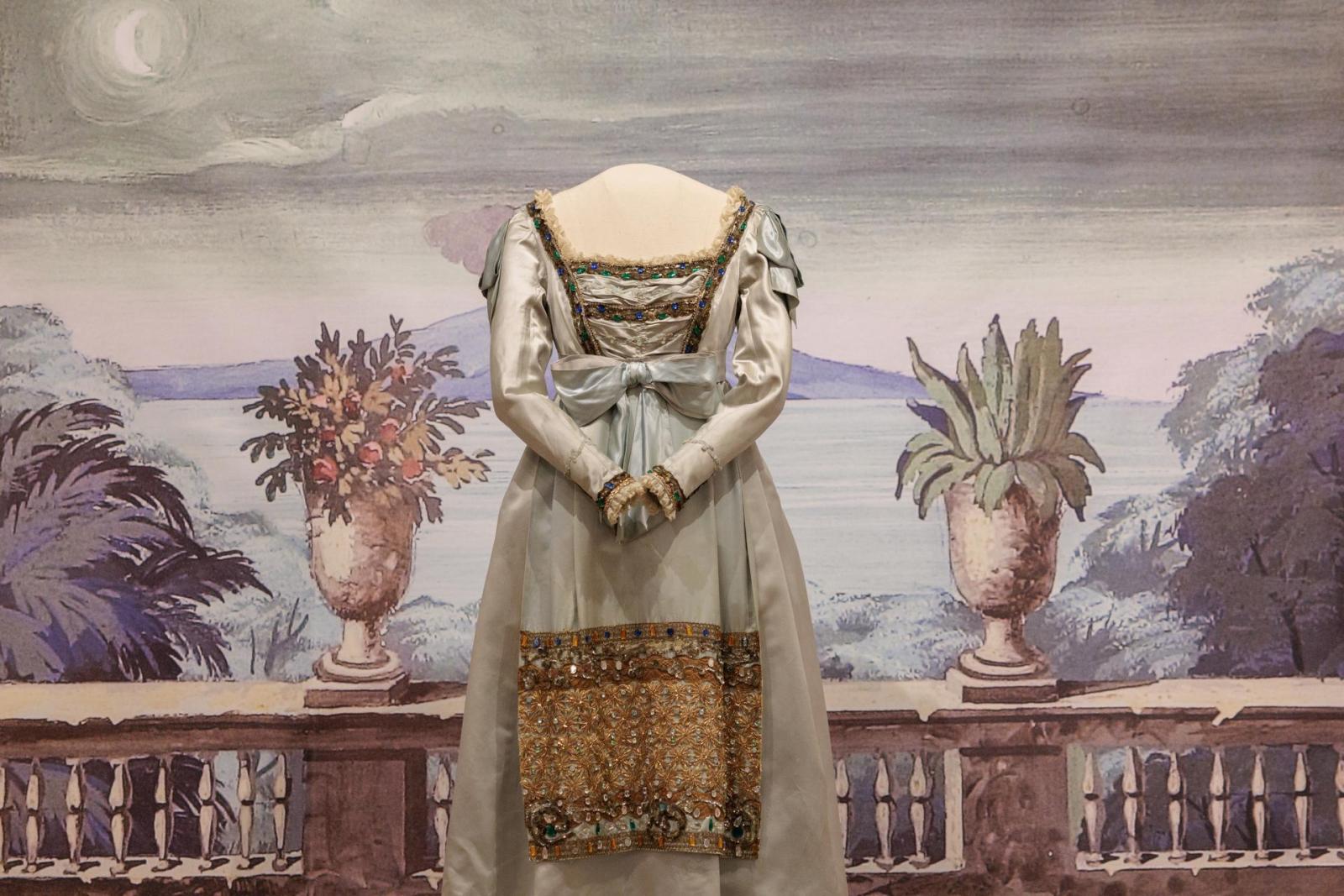
“She not only sang, but she understood how to do operatic business,” Wetenhall said. “We see in opera since then that they have to do more than just come out and belt out their aria. There’s other action that has to take place, as in a play. And I think that came from working with Zeffirelli and Visconti, because they are men of the theater and film.”
The gowns are positioned in front of sketches for their theatrical backdrops, which makes the costumes come alive and shows a true mastery of color. This significantly adds to the exhibit’s pleasures.
“What you take away from this exhibit depends on your background,” Wetenhall said. “Each visitor should come with an open mind because I think you’ll find that so many narratives are swirling around here. And by the way, it’s a beautiful exhibition.”
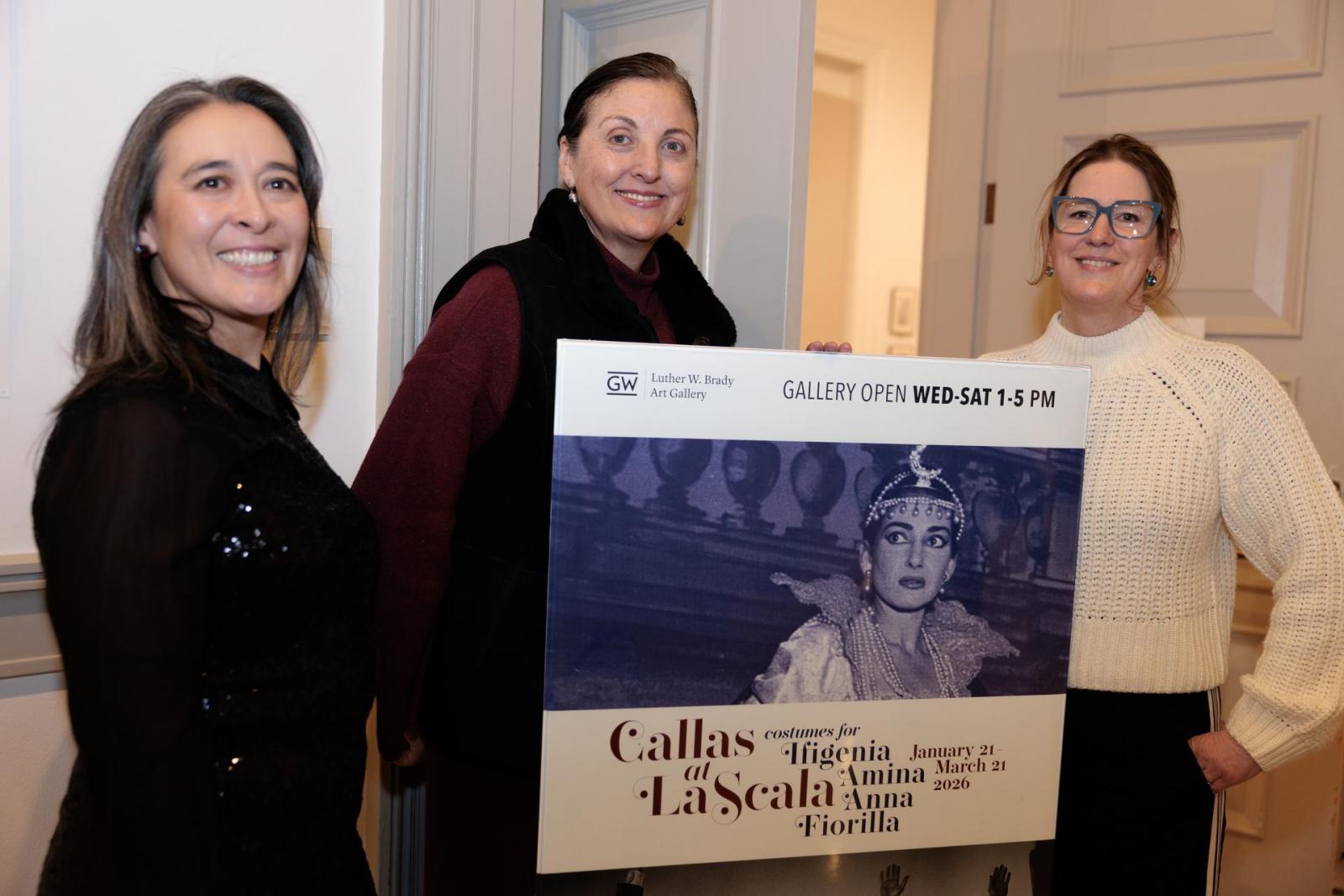
“Callas at La Scala” will be in the Brady Art Gallery, open 1 to 5 p.m., Wednesday through Saturday, through March 21, along with a separate exhibit, “Portraying the Mask: Personas in Philippe Halsman’s Photography,” curated by Lisa Lipinski's History of Exhibitions class.