

When she first started making photographs, Beverly Price had a dream in which four boys at the former Barry Farm housing project in Southeast Washington, D.C., gave her a camera. In her lecture presentation in the Research + Practice series at the Corcoran School of the Arts and Design, part of GW’s Columbian College of Arts and Sciences, Price described that dream’s importance in her professional and artistic development.
“My journey through photography was a little bit of practice and then research,” Price said. Soon after her dream, she was photographing boys at Barry Farm, expanding her social awareness along with her knowledge of her art. She has been connected to this group of boys ever since, though one of them was lost to gun violence and two others are now serving time.
Price grew up in the Capitol Hill neighborhood of Northeast D.C. She had come home in 2006, after serving a five-year prison sentence under the D.C. Youth Rehabilitation Act. Two years later, when her family sold their home, she became interested in issues around gentrification and started paying closer attention to how her community was changing. One thing she noticed was that young Black boys weren’t wearing colorful clothing, as they had formerly done, but were opting for a more somber, monochromatic look in black.
“I grew up in the ’90s. We had colors, we had shoes, we were fly,” Price said. “I think that is something in our community that we need to pay attention to. Our kids are no longer colorful.” She believes the lack of color expresses the lack of justice in their environment.
It was her sincere interest in the boys at Barry Farm, Price said, that helped her gain their trust. More than one of their peers had died by gun violence, sometimes before their eyes. They were frequently at the playground, “clinging to their innocence,” she said, “but the environment around them was forcing them to be men so early on.” In addition to her genuine care for them, Price credited her somewhat androgynous gender expression for helping them feel close to her.
“The reason why I was able to get close to these boys, to be honest with you, was because I wasn’t too feminine, and I wasn’t a man either. I was in the middle,” Price said. After some initial concern about whether her work would be of any benefit to them apart from the money she sometimes shared when she had it, “I realized I was protecting them because their story would have never been told today if I didn't document them.”


Price had her first pop-up show in 2019 at the National Museum of Women in the Arts, titled “When the Children Speak.” At every turn in her career, she said, she listened to her work and her dreams to follow the sequences and patterns that emerged at the time. She encouraged student photographers to keep a journal and any articles featuring their work for the same purpose.
She has been deeply affected by how violence against the young people in her community has been normalized. When she was 17 years old, one of her closest friends was killed, and she remembers being expected to go to school the next day and carry on as if everything was normal.
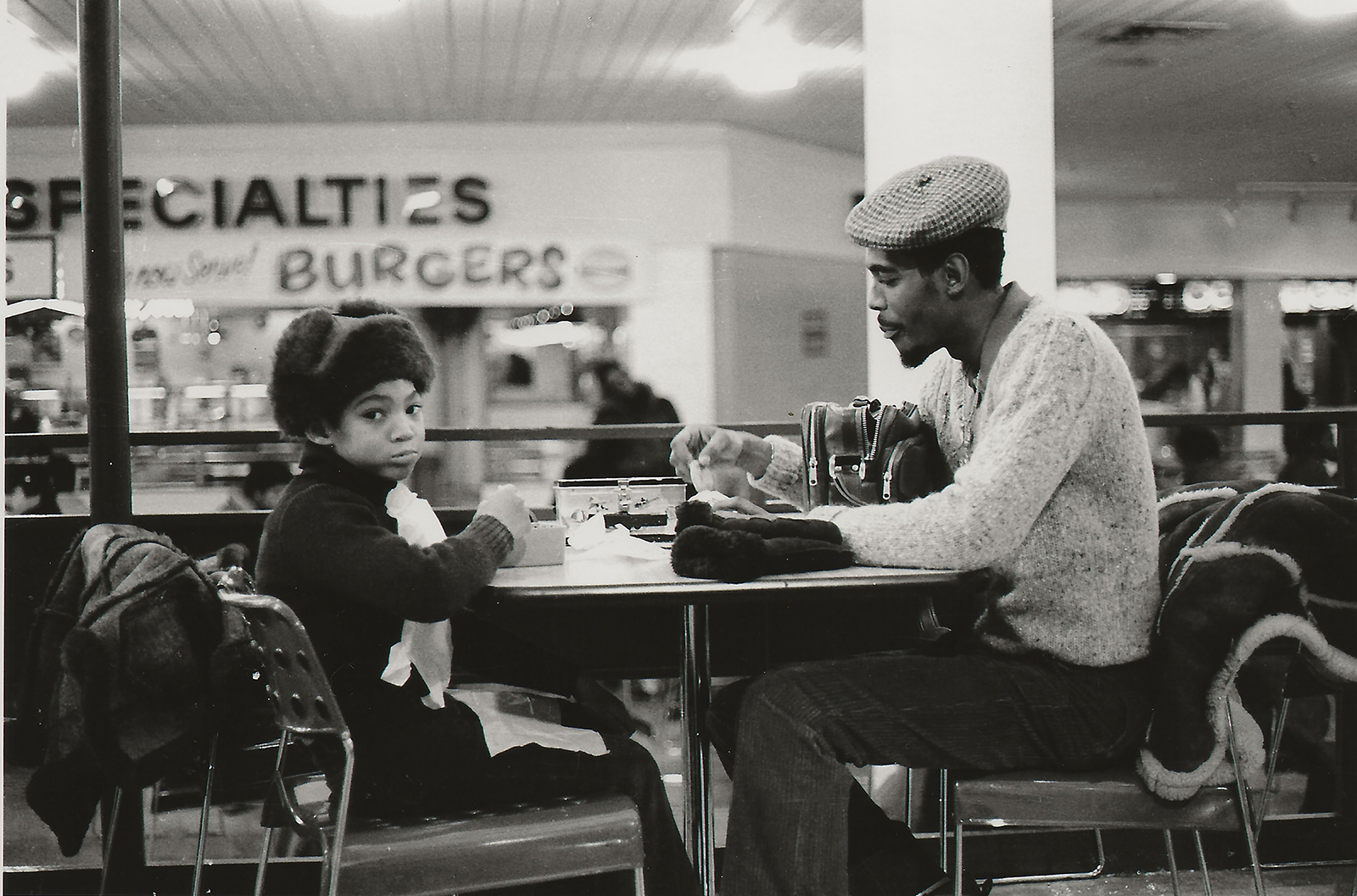
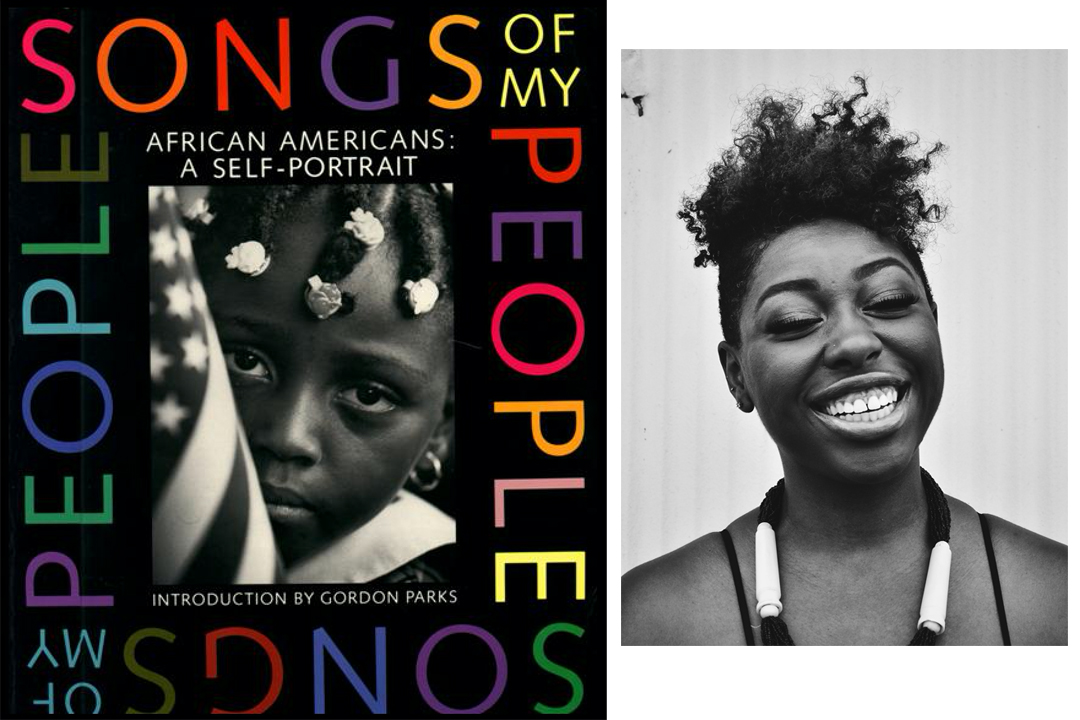
In 2026, Price was invited to create an exhibition bringing her work into conversation with the work of the celebrated photographer Gordon Parks. Juxtaposing her images with photos by Parks shows how the times have changed and also reflects certain continuities. In one example, a photograph by Parks of a man looking in a mirror is paired with an image by Price showing a boy looking straight out at the viewer, pointing to the fact that society is also a sort of mirror.
“Gordon Parks was a visionary in documenting Black life,” Price said. “A lot of people don’t know that he donated 227 images to the Corcoran and gave a big show here in the ’90s.” Parks’ photographs took on a greater social dimension after he first came to Washington, Price added.
Photography is more about an artist’s thinking than about the kind of camera used, Price said. She is becoming more comfortable working in the digital space, but she initially found the process of working with film in a darkroom valuable.
“There’s a lot of beautiful digital photography and a lot of beautiful iPhone photography,” she said. “I think the darkroom allowed me to be in more of a meditative space. Gave me patience.” However, she added, “I do think if you want to be a serious photographer, you’ve definitely got to go do the darkroom.”
In a question-and-answer session, several students asked Price for advice on various matters. She told them not everyone’s path would be like her own.
“I look at photography as a very spiritual medium,” she said, “and how I use it to change people’s lives and speak up for people is what I owe society for the charges that I caught as a young person.”
All lectures in the Research + Practice series will be held from 6:30– 8 p.m. Wednesday evenings. For information about future events in the series, click here.