
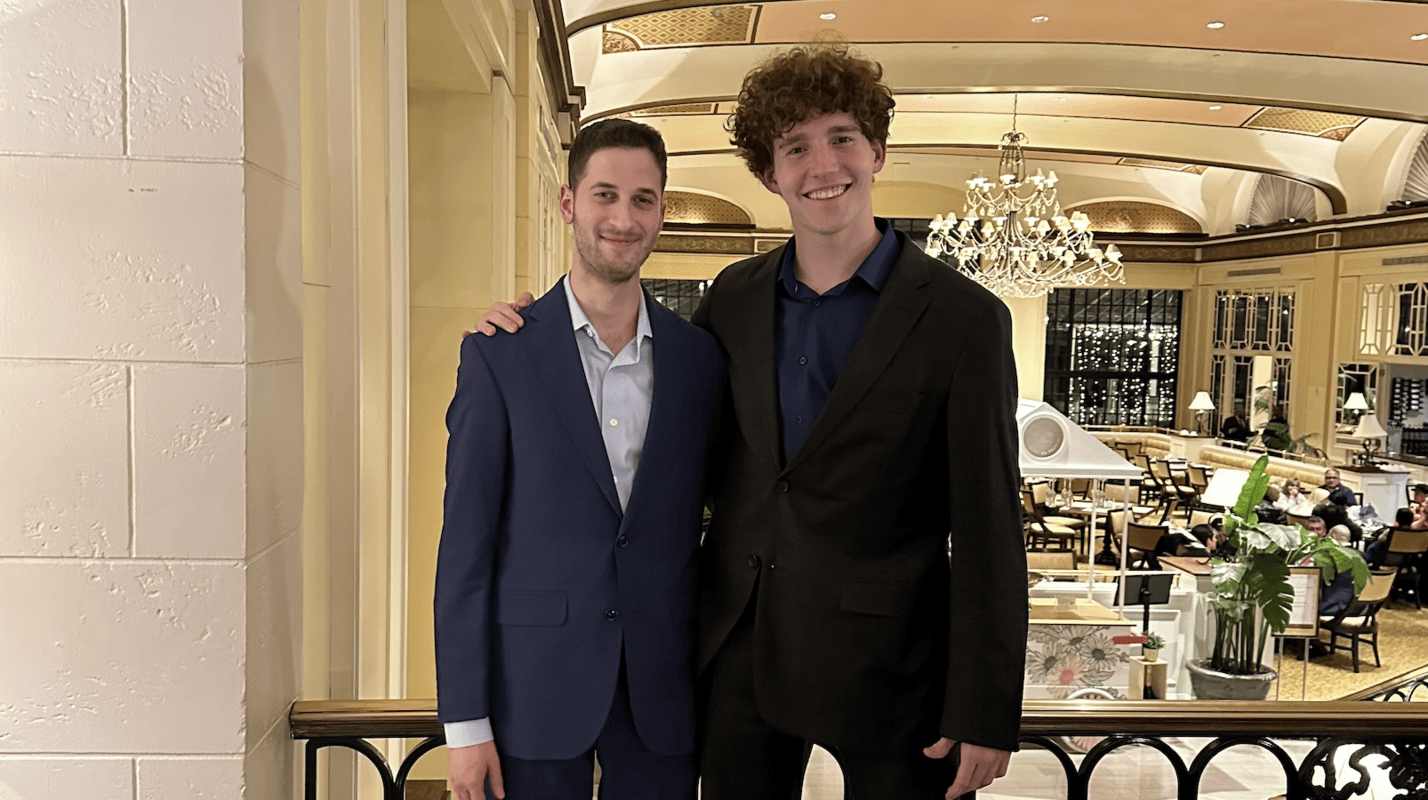
With the help of friends, two George Washington University students launched a new interdisciplinary science magazine in October 2024. It’s called The Catalyst and its target audience is mainly college-age STEM students in the Washington, D.C., area.
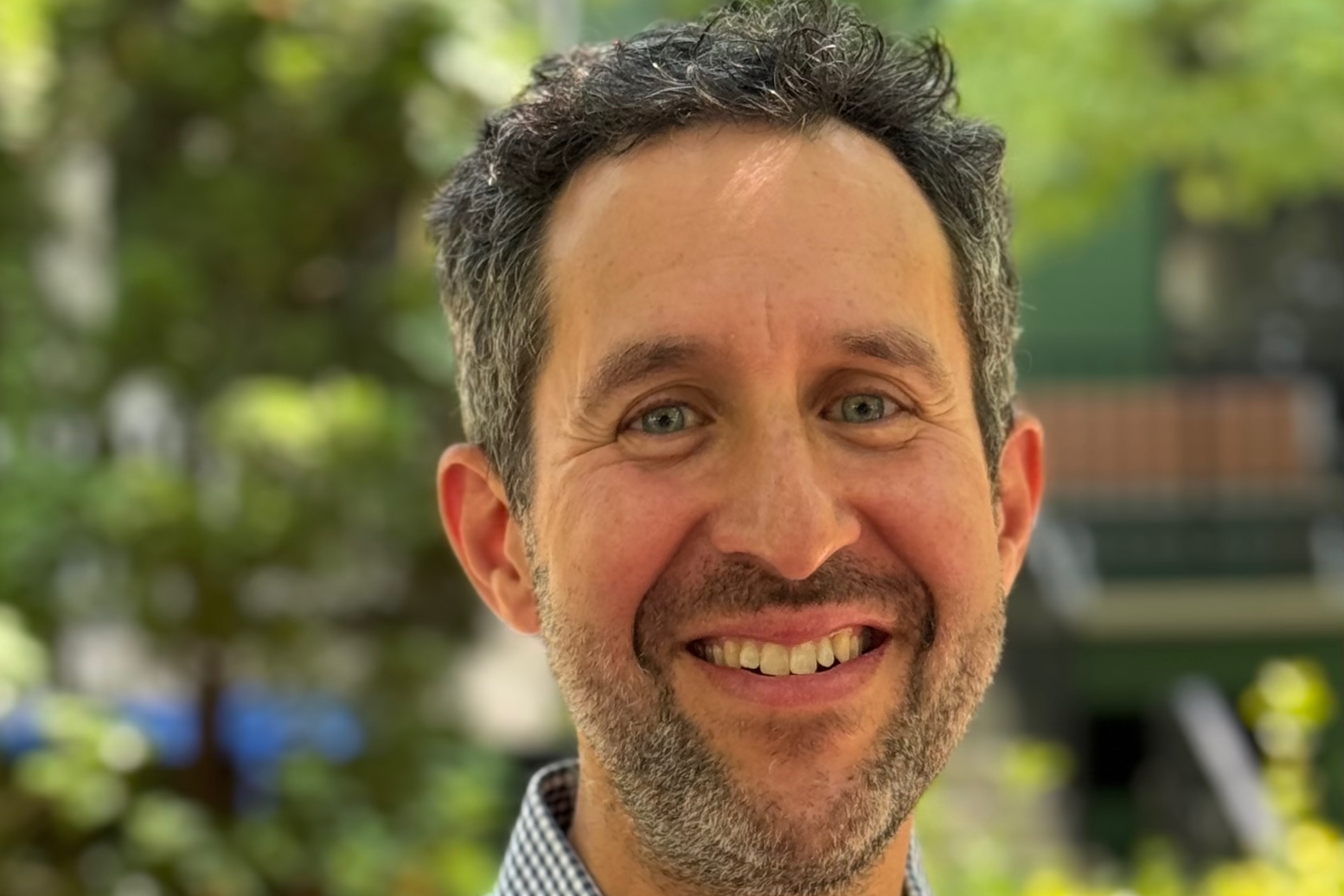
The magazine’s founding editors, Yair Ben-Dor, B.S. ’25, and Aidan Schurr, a junior pursuing a B.S. in biomedical engineering and pre-med studies, have published a range of articles, including profiles of working scientists, opinion pieces, and interviews, at the rate of about one new article per week. The Catalyst is currently published only online; interested readers can also sign up for an emailed newsletter.
The Catalyst grew out of a friendly conversation in GW’s Science and Engineering Hall with two main questions in mind, Schurr said: “Can we rewrite the narrative about how people feel about being STEM students in Washington, D.C.? And can we build a community of like-minded innovators that want to be advocates for their field and also better science communicators?”
Many students are attracted to GW and other schools in the area because they have a strong interest in politics, Schurr explained, while science students sometimes feel a little left out. Some concentrate so much on their work that they forget to enjoy it.
“GW and Georgetown are some of the best schools in the nation for politics and international affairs,” Schurr said. “Sometimes we forget they’re exceptional schools for science as well. And as a scientific community, we need to remind ourselves of the environment that we’re in. Not all universities have the NIH in their backyard! This immediately enhances your learning beyond whatever diploma you can get.”
Ben-Dor echoed the value of GW’s proximity to the centers where policy is made. “Researchers here don’t just know research,” he said. “They know how it plays out in the White House, how it plays out in policy. That’s the unique aspect of being a scientist in the nation’s capital.”
One of their goals with the magazine, Schurr said, was reminding STEM students in the D.C. area of the power they have just being here, and that it isn’t necessary to be in Boston or Silicon Valley to make an impact.
“We’re not just interviewing local scientists,” Schurr said. “We’re interviewing Rebecca Katz, an infectious disease specialist who was a senior advisor to the Biden administration on global health and the COVID pandemic.” (A former professor in GW’s Milken Institute School of Public Health, Katz now teaches at Georgetown.) “We’re interviewing Holden Thorp, a professor of chemistry at GW, who is also the editor in chief of Science magazine.”
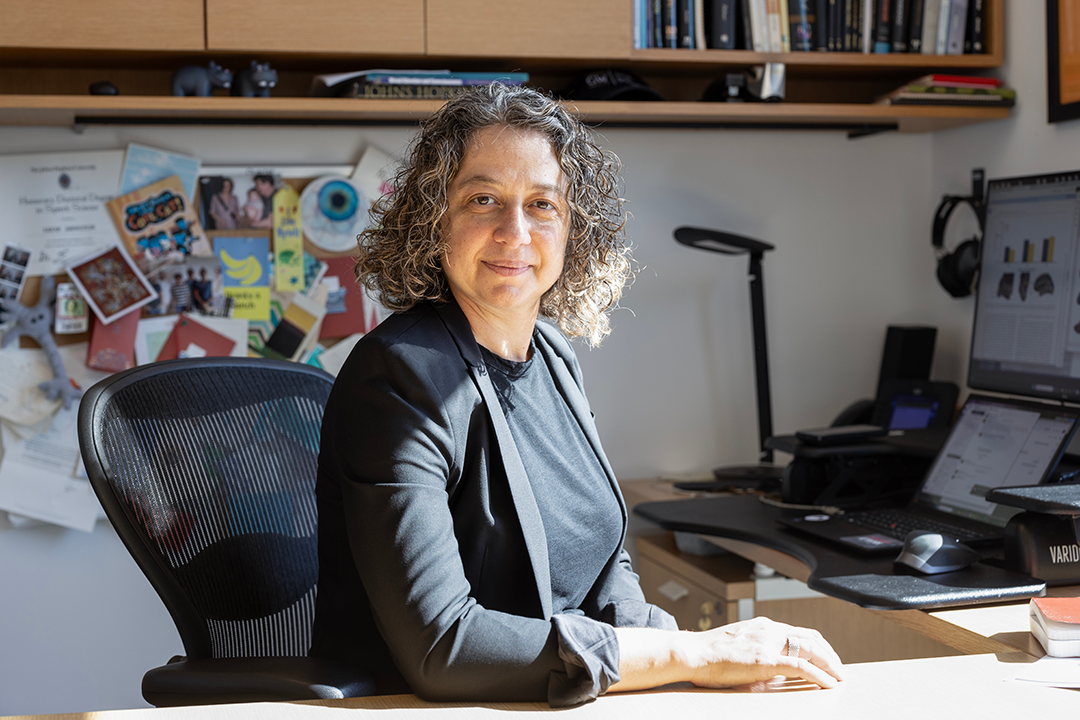
Thorp’s expertise as both a scientist and a communicator is an inspiration to the Catalyst’s founders. Eli Kintisch, GW’s Ted Turner Professor of Environmental Media in the School of Media and Public Affairs, has also been an influence.
In general, Schurr said, there are two basic types of science journalists—writers who learn about science and scientists who practice their writing. Both types are welcome at the Catalyst.
Schurr, a Clark Scholar who spent the fall semester of 2025 abroad in London, said he especially enjoyed writing a profile of GW mechanical engineering student Tyler Wyka, B.S. ’24, M.S. ’25, who helped a Sierra Leone nonprofit build state-of-the-art drying huts to preserve food during drought and other extreme weather conditions. Wyka is now working with Indigenous communities in Alaska for the Department of Energy, developing small grid technologies for energy resilience.
While most editors look for proven writers or artists, Ben-Dor and Schurr take pride and pleasure in asking contributors to stretch. If you’ve never done an interview, try it! If you never drew anything more complicated than a stick figure, you’re an artist! People asked to do things they don’t exactly know how to do will find a way—especially with support from the Catalyst’s editorial team.
For example, Ben-Dor designed the magazine’s website, despite a lack of experience. He then built on the skills he acquired to create an app called CareCal, available now at the App Store, to help people keep track of their health screening schedules and medications.
“Without the Catalyst I wouldn't have been able to have this project,” Ben-Dor said, “because I had to force myself to learn how to develop and be on the back end of websites and programming.”
In the year since the Catalyst was launched by a small group of friends, nearly four times as many students have become involved. Writers and artists for the magazine work on a volunteer basis, some attending other colleges and universities, most of them in the D.C. area.
Le Nguyen, B.S. ’25, has contributed several articles. For one, he interviewed a trio of researchers about their work on epilepsy; another of his contributions was an informative piece about nighttime anxiety; for another, about the psychology of perception, he interviewed Sarah Shomstein, professor of cognitive neuroscience in GW’s Columbian College of Arts and Sciences. Nguyen, a neuroscientist as well as a writer, is currently in Boston on a gap year before entering medical school.
“As a former neuroscience student at GW, I often wished there was a place where I could easily learn not just what research was happening on campus but who was behind it,” Nguyen said. “There are researchers out there who are recruiting students, and there are students who are looking for scientists who may become their mentors. This magazine can be the bridge that connects them.”